By using our website, you agree to the use of cookies as described in our Cookie Policy

Old decks in Alpine turn into safety hazards fast. Boards get soft. Railings loosen up. Rust shows up on the hardware. Utah County’s weather is rough: hot sun, heavy snow, and constant moisture. Ignore the warning signs and you’re not just looking at an ugly deck. You’re risking injuries and bigger repair bills down the line.

Walk across an old deck after a wet spring. Feel the boards flex underfoot. Notice the soft spots. That’s not just age. It’s decay. Water seeps in, freezes, and splits the wood. Fasteners loosen. Railings wobble. The structure weakens, sometimes in places you can’t see. A deck that looks fine from above can hide rot and corrosion underneath. That’s why regular, thorough inspections matter. A quick glance won’t catch the problems that lead to collapse.
Spotting Trouble Before It Gets Worse
Most deck failures don’t start with a dramatic break. They begin with small, visible clues:
- Boards that feel spongy or bounce when you walk
- Cracks or splits in posts and beams
- Rusty, missing, or loose bolts and screws
- Deck boards pulling away from the house wall
- Railings that move when pushed
- Dark stains, mold, or persistent dampness
Ignore these, and the problems multiply. A soft board today turns into a hole tomorrow. Loose hardware lets the whole frame shift. Water damage spreads, feeding mold and rot. These aren’t just cosmetic issues. They signal that the deck’s structure is failing. When one part goes, the rest follows. That’s why a professional assessment isn’t optional. It’s essential. Our deck safety knowledge confirms that what looks minor on the surface often hides bigger trouble below.
Where Decks Fail First
Decks rarely collapse without warning. The weak points show up in the same places, year after year. The ledger board: the piece that connects the deck to your house, takes the most abuse. Water sneaks in behind flashing. Wood swells, then shrinks. Fasteners rust. If the ledger fails, the deck can pull away from the house in one sudden move.
Post foundations come next. Soil shifts. Concrete cracks. Posts settle or tilt. Once the base moves, the whole structure loses stability. Beams and joists sag under weight. Railings loosen. Older decks, built before today’s codes, often lack the reinforcements and hardware that keep everything tight. Standards have changed. What passed inspection twenty years ago won’t hold up now. Custom deck design today uses better materials and smarter engineering. At TC Decks, we’ve seen how old decks can’t compete with the durability and safety of modern builds.
When Repairs Stop Making Sense
Every deck reaches a point where patching up problems just wastes money. When the cost of repairs creeps close to half the price of a new build, it’s time to start over. Replacing a few boards or tightening a railing won’t fix deep rot or failing supports. The structure keeps aging, and the repairs never end.
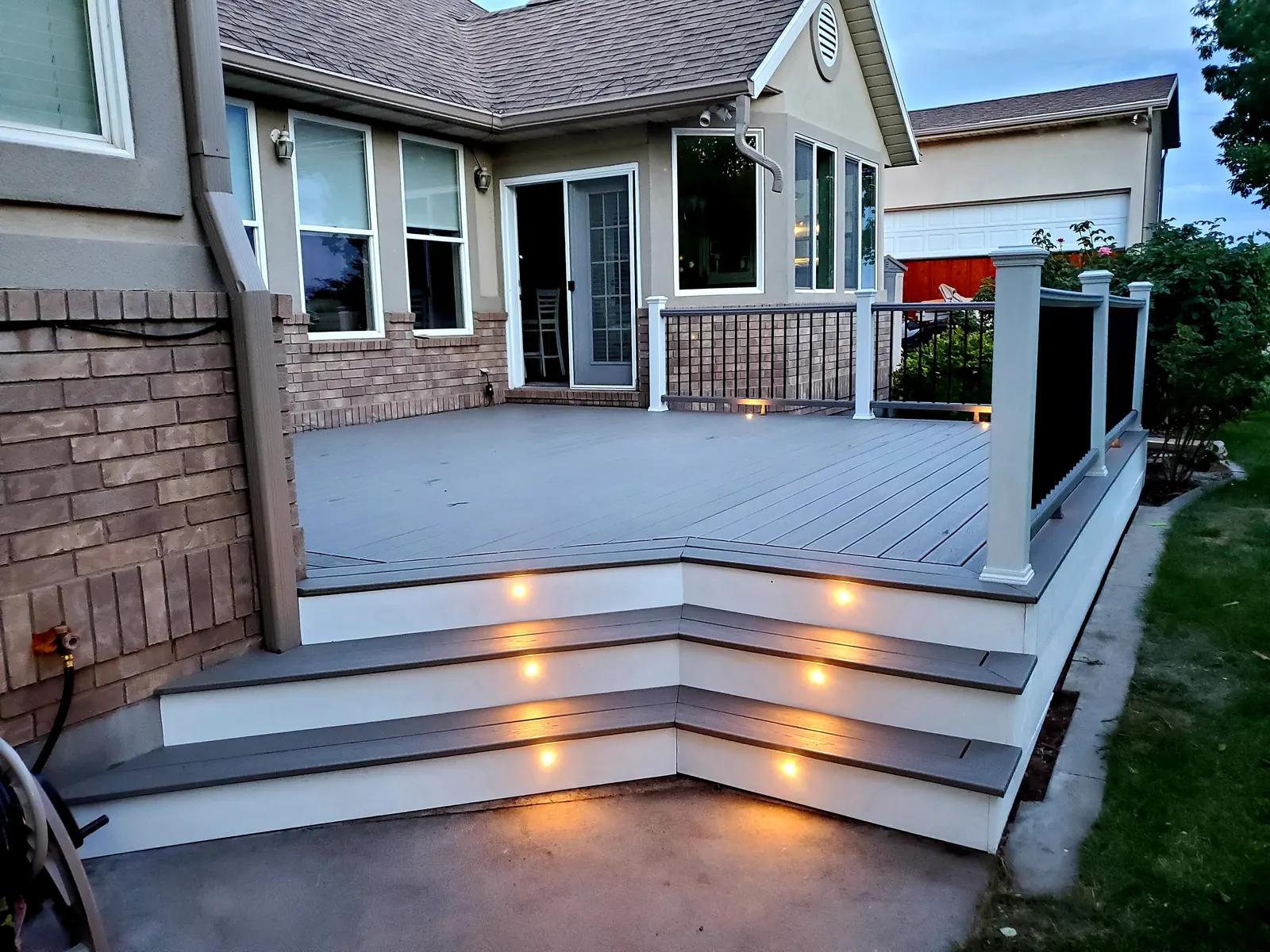
Modern composite decking options last longer and need less upkeep than wood. They resist moisture, insects, and sun damage. The upfront cost is higher, but the savings show up in fewer repairs and longer life. Alpine’s building codes demand features that old decks just don’t have: stronger railings, better fasteners, safer stairs. Upgrading an old deck to meet these rules often costs more than building new. And a new deck means peace of mind every time you step outside.
- Repairs add up fast, especially when rot spreads or hardware fails
- Composite materials cut down on maintenance and outlast wood
- New builds meet current safety codes and look better
What a Pro Looks For
Deck builders don’t just check the surface. They dig deeper. They test every connection, from the the ledger to the footings. They look for hidden rot, rusted fasteners, and signs of movement. They measure railings and stairs to make sure they’re safe. They know where shortcuts were taken in old builds. They spot the warning signs that most homeowners miss.
Expect a thorough inspection to cover:
- Ledger board attachment and flashing
- Post and beam stability
- Joist condition and spacing
- Railing height and strength
- Stair safety and support
- Signs of water intrusion or insect damage
After the inspection, you get a clear answer: repair or replace. No uncertainty. No surprises. Just a plan that keeps your family safe and your investment protected. If you’re unsure about your deck’s condition, our team at TC Decks can provide a detailed assessment and help you decide on the best path forward.
Get Professional Deck Assessment Today
Ready for professional guidance? Contact TC Decks at 801-472-8939 or schedule your free deck inspection to evaluate your deck's condition and explore replacement options.
‹ Back