




By using our website, you agree to the use of cookies as described in our Cookie Policy
Most homeowners think decks are just about square footage. Build it, stain it, forget it. But the material you choose leaves a mark on your wallet — and if you don't plan ahead, you're asking for headaches. Composite boards may cost more upfront, but they carry a different kind of value over time. Especially if you're tired of sanding, sealing, and replacing warped planks every few years.
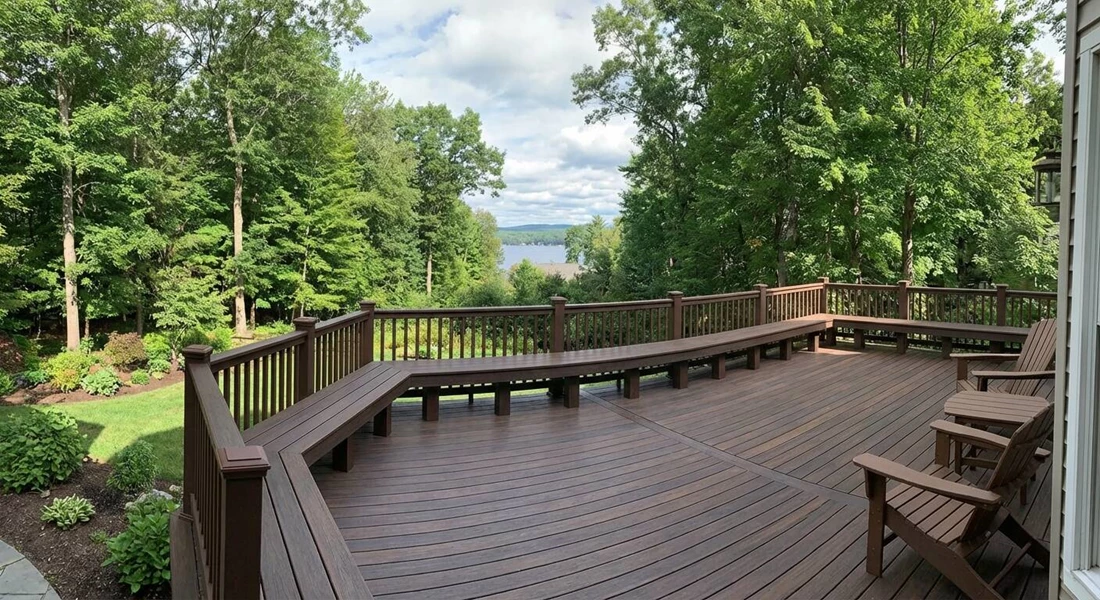
So here's the reality. If you're building something that needs to last through Saratoga Springs winters and humid summers, that matters. Just don't assume all decking performs the same. Every material has trade-offs. Every dollar should be weighed against maintenance costs. And every decision should be grounded in how you'll actually use the space — not just how it looks in the brochure.
What Composite Actually Means
Composite isn't wood. It's engineered — a blend of recycled plastic and wood fiber pressed into boards that mimic grain without the rot. The surface resists mold, won't splinter under bare feet, and holds color better than anything you'd pull from a lumber yard. It's built to handle weather swings without cracking or cupping.
That's the pitch, anyway. And for the most part, it delivers. But it's not bulletproof. Heat retention is real. Expansion happens. And if the install isn't done right, even the best boards won't perform. We've seen plenty of decks that looked great on day one and started sagging by year three because someone skipped the structural basics.
Why Homeowners Around Here Are Switching
Saratoga Springs isn't gentle on outdoor structures. You get freeze-thaw cycles that crack wood, summer humidity that feeds mold, and enough UV exposure to fade just about anything. Composite handles that better than pressure-treated lumber ever could.
Here's what makes it stand out:
- No annual staining or sealing required — just soap and water when it gets dirty
- Warranties that run 25 to 30 years, not the usual five
- Color options that don't fade into gray after two seasons
- Splinter-free surface that's safer for kids and pets
- Recycled content that keeps plastic out of landfills
The Upfront Hit Is Real
Composite costs more. Sometimes double what you'd pay for treated pine. That sticker shock turns people away before they run the long-term math. But if you're planning to stay in your home for more than a few years, the numbers shift fast.
Think about what wood demands. You're resealing every 18 months. Replacing boards that warp or split. Scrubbing mildew off railings. Composite skips most of that. The maintenance budget drops to nearly zero, and the time you'd spend on upkeep goes back into your weekend. That's worth something — even if it doesn't show up on the invoice.
Heat and Expansion Aren't Myths
Composite boards get hot in direct sun. Hotter than wood. If your deck faces south with no shade cover, expect the surface to be uncomfortable by mid-afternoon in July. Lighter colors help. So does strategic placement of furniture or pergolas.
Expansion is another factor most people ignore until it's too late. Composite moves with temperature changes — not as much as vinyl, but enough that you need proper gapping during install. Skimp on that, and you'll see buckling or lippage where boards meet. It's fixable, but it's also avoidable if the crew knows what they're doing.
What You Gain Beyond the Build
A composite deck doesn't just sit there looking decent. It adds measurable value when it's time to sell. Buyers in this market notice low-maintenance features, and a deck that doesn't need work is a selling point — especially when they're comparing your home to others with peeling wood or rotted joists.
Here's what that looks like in practice:
- Higher appraisal value compared to aging wood decks
- Faster sale timelines when the outdoor space is move-in ready
- Fewer inspection red flags around structural integrity
- Appeal to buyers who want modern finishes without the upkeep
Installation Quality Decides Everything
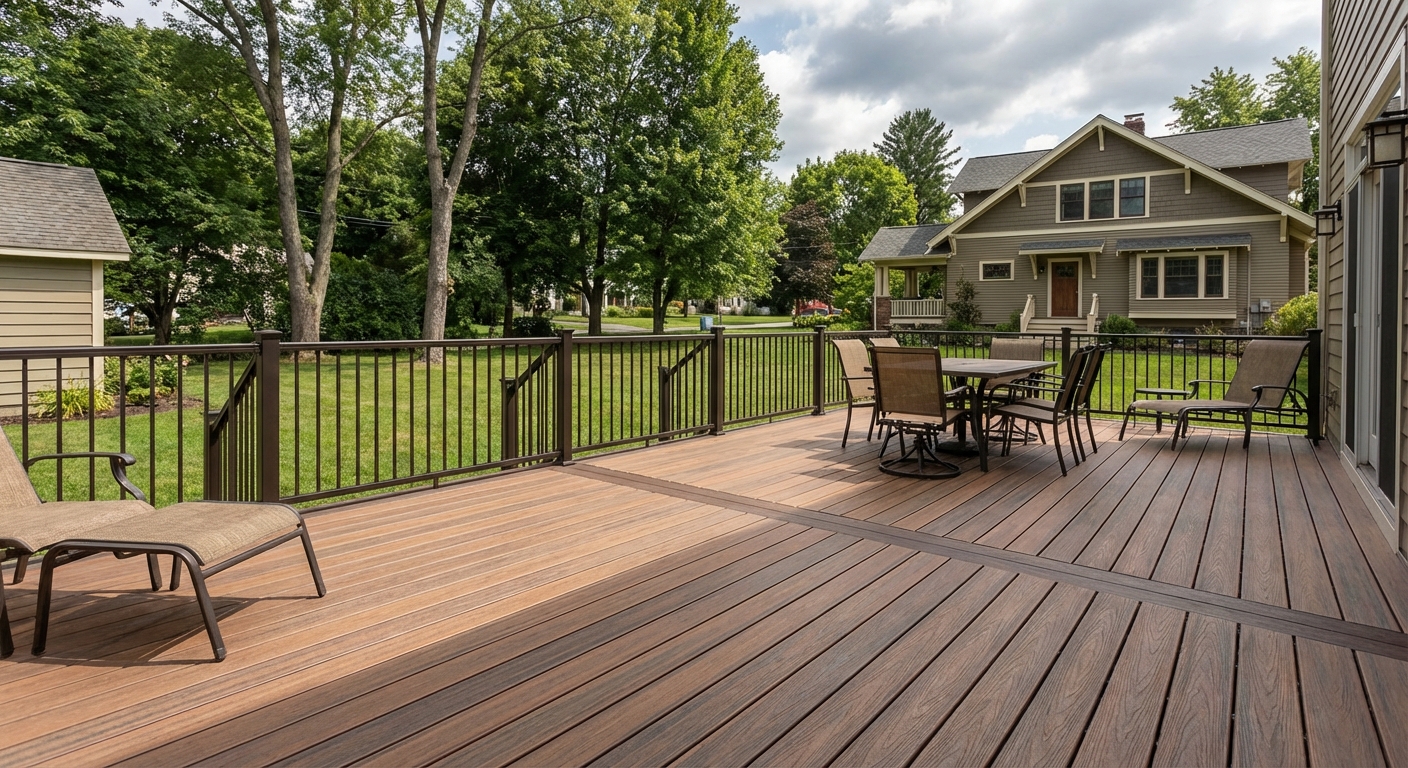
You can buy the best composite boards on the market and still end up with a mediocre deck if the install is sloppy. Framing needs to be rock solid. Fasteners need to be hidden or stainless. Spacing needs to account for thermal movement. And drainage needs to be planned from the start.
We've walked job sites where contractors treated composite like wood — same joist spacing, same screw patterns, same assumptions. That's how you get sagging, squeaking, or boards that pop loose after a winter. Composite has its own rulebook, and the crew you hire better know it front to back.
Where Homeowners Mess Up
Choosing composite is the easy part. Using it correctly is where things fall apart. Here's what we see go wrong most often:
- Skipping proper ventilation under the deck, which traps moisture and kills the framing
- Using the wrong fasteners or over-tightening screws, which cracks boards
- Ignoring manufacturer specs on joist spacing, leading to flex and bounce
- Mixing brands or product lines without checking compatibility
- Assuming all composite is the same — it's not, and quality varies wildly
When It Makes Sense to Go Another Route
Composite isn't the answer for every project. If your budget is tight and you're handy enough to maintain wood yourself, treated lumber might be the smarter play. If you're building a small landing or a temporary structure, the premium doesn't pencil out.
But if you're investing in a full outdoor living space — something you'll use for dinners, gatherings, and quiet mornings with coffee — composite is hard to beat. It's the difference between a deck that demands attention and one that just works.
The Real Cost Is Time
Money's one thing. Time's another. Every hour you spend sanding, staining, or replacing boards is an hour you're not enjoying the space you built. Composite gives that time back. It's not flashy. It's not free. But it's reliable in a way that wood never will be.
At the end of the day, the investment isn't just about resale value or curb appeal. It's about building something that holds up without constant babysitting. Saratoga Springs homeowners who go composite tend to stay happy with the choice — not because it's perfect, but because it's predictable. And in a market where outdoor space matters, that predictability is worth paying for.
What to Do Before You Commit
Don't just pick a color and call it done. Talk to contractors who've installed hundreds of composite decks, not just a handful. Ask about framing, fasteners, and warranties. Get samples and leave them in the sun to see how they feel underfoot.
Here's your checklist before signing anything:
- Verify the contractor is certified by the composite manufacturer
- Confirm the warranty covers both materials and labor
- Review the framing plan to ensure proper joist spacing and support
- Ask about ventilation and drainage to prevent moisture buildup
- Get a timeline that accounts for weather delays and material lead times
Building Smart Means Building Once
Composite decks aren't cheap. But neither is replacing a wood deck every decade. The math works when you stop thinking short-term and start planning for the next 20 years. Saratoga Springs weather will test whatever you build — composite just happens to pass that test more consistently than the alternatives. If you're ready to stop maintaining and start enjoying, the investment pays off faster than most homeowners expect.
Ready to Build a Deck That Lasts?
We know how important it is to have a deck that stands up to Saratoga Springs weather and gives you more time to relax, not repair. If you're considering composite for your next project, let's talk through your options and make sure you get the most out of your investment. Give us a call at 801-472-8939 or contact us today to get started on a deck you'll love for years to come.
‹ Back